As you can imagine each job we undertake will require different approaches so we can talk you through what is possible via telephone, email or in person.
We can also offer a Zoom consultation if you wanted to talk face to face and show the items via your computer.
At The Bookends Bindery, we specialize in a range of custom binding options tailored to meet the diverse needs of both individuals and businesses. Our expertise in the bookbinding industry allows us to offer various styles that cater to different preferences and requirements.
1. Hardcover Binding: This classic binding method involves encasing your book in a rigid cover, providing durability and a premium feel. Ideal for important documents, photo books, and self-published works, hardcover binding ensures that your publication stands the test of time.
2. Saddle Stitch Binding: Perfect for booklets, magazines, and pamphlets, saddle stitch binding uses staples to hold the pages together along the fold. This economical option is great for shorter publications and allows for flat-laying pages, making it user-friendly.
3. Spiral Binding: Also known as coil binding, this method uses a plastic or metal coil to hold pages together. It’s an excellent choice for reports, presentations, and notebooks, as it allows for easy page turning and a lay-flat design.
4. Perfect Binding: Commonly used in paperback books, perfect binding involves gluing the pages together at the spine. This method provides a professional finish suitable for novels, catalogs, and annual reports, making it popular among self-publishers and businesses alike.
5. Japanese Stab Binding: For a unique and artistic touch, we offer Japanese stab binding. This traditional method involves stitching the pages through the cover, allowing for creative designs and a beautiful finish, ideal for portfolios, journals, and special projects.
6. Loose-leaf Binding: If you require flexibility, loose-leaf binding allows pages to be easily added or removed. This option is great for training manuals, reference materials, and any document that may require updates over time.
In addition to these binding methods, we also offer customization options such as embossing, foil stamping, and a variety of cover materials, enabling you to create a product that truly reflects your style or brand identity. Whether you are an individual looking to preserve cherished memories or a business seeking to showcase your offerings, The Bookends Bindery is here to provide high-quality, tailored binding solutions.
Proper care for your archival materials is crucial to ensure their longevity and preservation. Whether you are an individual or a business, understanding the best practices for handling, storing, and maintaining these items can help protect your valuable collections.
1. Handling: Always handle archival materials with clean hands or wear cotton gloves to prevent oils and dirt from transferring to the items. When handling fragile materials, support them adequately to avoid tears and creases.
2. Storage Conditions: Store your archival materials in a cool, dry, and dark environment. Ideal temperatures range from 18-22°C (65-72°F) with a relative humidity of 30-50%. Avoid direct sunlight, as UV rays can cause fading and deterioration.
3. Use Appropriate Containers: Invest in acid-free and lignin-free boxes, folders, and sleeves. These materials will help protect your items from environmental factors and physical damage. Avoid using materials like plastic or cardboard that can emit harmful chemicals over time.
4. Avoid Overcrowding: When storing archival materials, ensure that they are not overcrowded. Overstuffing can lead to bending and crushing, which may cause permanent damage. Allow sufficient space for each item to be stored flat or upright, depending on its type.
5. Regular Inspections: Periodically inspect your archival materials for signs of deterioration or pest infestations. Early detection allows for timely intervention, which can prevent further damage.
6. Climate Control: If you are storing a significant number of archival materials, consider investing in climate-controlled storage solutions. This can help maintain stable conditions that are less likely to fluctuate, further protecting your materials.
7. Digitization: For documents and photographs that are frequently accessed, consider digitizing them. This way, you can preserve the original while still having easy access to the content. Ensure that any digital copies are stored on reliable platforms.
By following these guidelines, both individuals and businesses can ensure that their archival materials are well cared for and preserved for future generations. Remember, taking proactive measures today will safeguard your valuable collections tomorrow.
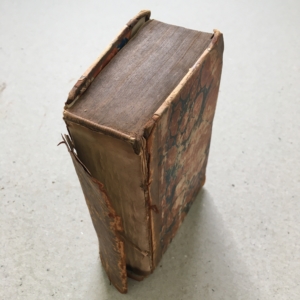
It is really useful for the bindery team to see the item/s that need attention. If you can take a photo of;
From these images we can make up a rough quote of the work required to repair your binding. We can then contact you and discuss the details.
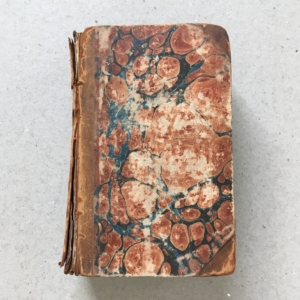
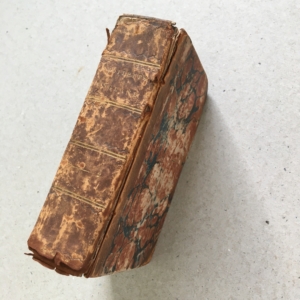
Most damage can be addressed so I am sure we can repair the book. When restoring a book in this state we will creat a new spine which will allow the boards to be reattached. This process is called rebacking.
we will try to match the colour and material of the cover and build a spine that reflects the missing piece. We can also use foil or gold to apply title, author, year and any additional tooling onto the new spine.
  
We can make a number of enclosures to store the item in question. We can create a solander/clam shell style box that will keep the item safe from the elements. All the materials we use are acid free so you can be sure your item will be stored correctly and will you allow you to enjoy the item for years to come.
We also create flap cases which are ideal for storing individual items be it a manuscript, small book, comic, letter, poster etc.
      
We do not offer a printing service as we primarily repair Books and create enclosures. We are happy to give you some companies that can offer this service.
We can create new bindings for anything if the client can supply the printed pages, but as we do not use machinery we would recommend a printers for this type of service.
If you wanted to discuss create a new binding we would be happy to talk to you about the possibilities and the option we have.
Our website uses cookies to make your browsing experience better. By using our site you agree to our use of cookies.